
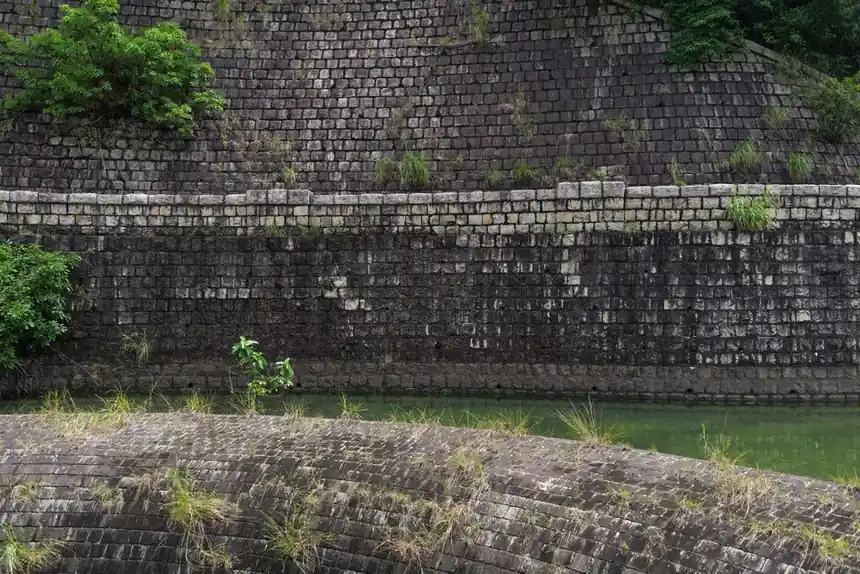
For a Lakeland slope that has to hold for decades, concrete wins: a poured or block concrete retaining wall lasts 50+ years here, while a pressure-treated wood wall starts rotting in 8 to 12. Concrete costs roughly 30% to 60% more up front, and that gap closes fast once you price a rebuild.
We build both, and we tear out both when they fail. What follows is the honest comparison we give homeowners across Lakeland - real 2026 numbers, how each wall handles our rain and sand, and the spots where wood is still the smarter call.
Concrete vs wood retaining wall in Lakeland: the short answer
A concrete retaining wall vs wood retaining wall decision in Lakeland comes down to three things: how long you plan to own the property, how much water the wall has to hold back, and whether you can live with a rebuild in ten years.
Concrete retaining walls are engineered structures that resist soil pressure and hold a slope in place for the life of the property. Wood walls are timber structures that do the same job for a decade or so before decay and insect damage take over.
Here is the split in plain terms:
- Concrete: 50+ year lifespan, no rot, no termites, higher up-front cost, needs a real footing and drainage.
- Wood: 8-15 year lifespan in Central Florida, cheaper to start, vulnerable to moisture, insects, and bowing.
If the wall is holding a driveway, a pool deck, or a house pad, concrete is the only answer we will put our name on. If it is a 24-inch garden terrace you plan to redo anyway, wood is defensible.
How each wall handles Lakeland's rain, sand, and heat
Lakeland sits on sandy, well-drained soil that gets hammered by 50-plus inches of rain a year, most of it between June and September. That combination is brutal on wood and manageable for concrete - if the concrete is built right.
Wood's problem is not the rain itself. It is what the rain does to the soil behind the wall. Saturated sand pushes outward with enormous force, and a wood wall flexes under that load. Once it flexes, water gets behind the boards, and decay starts at the bottom where you cannot see it.
We also have Formosan termites in Polk County. They do not eat pressure-treated lumber the way they eat untreated pine, but they will tunnel through damp, aging wood, and by the time you notice, the lower courses are hollow.
Concrete does not care about moisture or termites. What it cares about is drainage. Every concrete wall we build gets a gravel backfill zone and weep holes so water exits instead of pooling. Skip that step and hydrostatic pressure will crack even a 12-inch wall.
Heat matters less than people think. Both materials handle a 95°F July afternoon fine. The difference is movement: wood expands and contracts with moisture, so boards work loose and fasteners back out. Concrete moves with temperature too, but control joints and rebar keep that movement where we want it.
Cost of concrete vs wood retaining wall in Lakeland FL
Typical 2026 pricing in the Lakeland area runs $35 to $60 per square foot of wall face for a concrete retaining wall, and $20 to $35 per square foot for pressure-treated wood. A 40-foot wall at 3 feet high is 120 square feet of face, so you are looking at roughly $4,200-$7,200 in concrete versus $2,400-$4,200 in wood.
Those ranges move based on four things:
- Height. Anything over 4 feet usually needs an engineered design, which adds cost to both materials.
- Access. If a truck cannot reach the wall line, we hand-carry material, and labor climbs.
- Drainage. A wall with no place for water to go needs a French drain or a dry well behind it.
- Finish. A plain poured wall is the cheapest. A block wall with a stone veneer or a stamped finish costs more.
The number that actually matters is cost per year of service. At $5,000 for concrete over 50 years, you are paying about $100 a year. At $3,000 for wood over 10 years, you are paying $300 a year - and you will pay it again in 2036, likely at a higher price.
Wood also carries hidden costs. Board replacement, re-staining every 2-3 years, and the eventual full tear-out add up. When we quote a Concrete Retaining Walls Lakeland FL project, the price includes the footing, drainage, and finish - no surprise line items later.
Concrete retaining wall benefits Lakeland homeowners notice first
The first thing Lakeland homeowners notice about a concrete wall is that it stops moving. No creaking, no bowing, no boards popping off after a storm.
The bigger benefits show up over time:
- Lifespan. A properly built concrete wall outlives the mortgage. Wood walls in our climate average 8-15 years.
- Zero rot and zero termite damage. That alone saves most homeowners a rebuild.
- Load capacity. Concrete holds driveways, pool decks, and second-story terraces. Wood cannot safely do that at height.
- Low maintenance. A reseal every 3-5 years is the whole list. Wood needs staining every 2-3 years plus board swaps.
- Resale. Appraisers and buyers read a concrete wall as a permanent improvement, not deferred maintenance.
Concrete also gives you finish options wood cannot touch. We can pour it smooth, face it with stacked stone, or match an existing hardscape. If you want the wall to disappear into the landscaping, a Decorative Concrete Lakeland FL finish gets you there without giving up the structural strength.
One more thing: concrete walls do not feed mold. Wood walls stay damp on the soil side, and that moisture wicks into whatever is behind them. On a wall near a foundation or a screened patio, that difference matters.
Where wood retaining walls still make sense
Wood is the right call when the wall is short, temporary, or purely decorative. A 12- to 24-inch garden terrace that you plan to rework in a few years does not need a $6,000 concrete pour.
Wood also wins when access is the problem. If the wall sits at the back of a wooded lot with no equipment path, hand-carrying timber is far easier than hand-carrying concrete. And if you are selling in two years and the wall is cosmetic, the cheaper material can pencil out.
What wood cannot do is hold a slope that matters. If the wall retains a driveway, a pool, a septic drain field, or any part of your home's grade, wood is a temporary fix on a permanent problem. We have torn out wood walls in Concrete Contractor in Dixieland that were only 7 years old and already leaning 4 inches out of plumb.
There is also a code angle. Many insurers and lenders look harder at wood walls over 4 feet because they fail more often. That is not a reason to avoid wood everywhere - it is a reason to know exactly what the wall is holding.
Do I need a permit for a retaining wall in Lakeland FL?
In Lakeland, a retaining wall under 4 feet tall measured from the bottom of the footing usually does not need a building permit, but anything 4 feet or taller does - and walls near a property line, a sidewalk, or a drainage easement often need review regardless of height.
Two rules of thumb we give clients:
- Measure from the bottom of the footing, not from the top of the soil. A wall that looks 3 feet tall above grade can be 4.5 feet of structure.
- If the wall is within 5 feet of a property line or a public sidewalk, call the city before you dig. Setback and drainage rules apply.
Permits are not the enemy. They force an engineer to check the footing depth, the drainage plan, and the soil load - the three things that decide whether a wall is still standing in 20 years. We handle the paperwork on every wall we build, and we build to the inspected spec, not around it.
One warning: do not let a contractor talk you into skipping a permit by shaving the wall to 3 feet 11 inches. That is a red flag, and it usually means the footing and drainage were going to be undersized too.
Common mistakes we see on Lakeland retaining wall jobs
The mistakes that kill retaining walls in Lakeland are almost never about the material. They are about water and footings.
Here is what we find when we open up a failed wall:
- No drainage behind the wall. Water pools, pressure builds, and the wall leans. This is the number one cause of failure in both materials.
- Footing too shallow. Our sandy soil needs a footing below the frost-free depth and wide enough to spread the load. A 6-inch footing under a 4-foot wall is a countdown.
- No rebar or the wrong spacing. Concrete without steel cracks under soil pressure. We use a grid tied into the footing, not loose bars dropped in.
- Backfilling with clay or native sand. Both hold water. We backfill with clean gravel and wrap it in filter fabric.
- Building on top of an old wall. Stacking new material on a failing base just moves the failure up.
We also see homeowners skip the surface drainage above the wall. If the hill behind the wall sheds water straight into the backfill, no wall will hold. Grading and a swale above the wall are part of the job, not an add-on.
If you already have a wall that is cracking or leaning, a Concrete Crack Repair Lakeland FL evaluation tells you whether it can be saved or needs to come out. We would rather repair a sound wall than sell you a new one.
When to call a professional
Call us when the wall is over 3 feet tall, when it holds anything structural, or when you can already see it lean. Those are the jobs where a DIY wall becomes a liability.
Lakeland Concrete Services builds retaining walls across Lakeland and Polk County. We start with a site visit, check the slope and drainage, and give you a fixed price before we break ground. If a wood wall is genuinely the better call for your yard, we will tell you that too.
Signs it is time to get us out:
- The wall leans more than 1 inch out of plumb over its height.
- You see horizontal cracks, bulging, or soil pushing through.
- Water stands behind the wall after a storm.
- The wall is wood and more than 8 years old.
- You are adding a driveway, pool, or patio above the wall.
We also handle the surrounding hardscape, so the wall ties into the rest of the yard instead of fighting it. A Concrete Driveway Installation Lakeland FL above a new retaining wall is a common pairing for us - the wall holds the grade, the driveway sits on top, and both are poured to the same spec.
Frequently Asked Questions
Is a concrete or wood retaining wall better in Lakeland FL?
Concrete is better for anything structural or over 3 feet tall. It lasts 50+ years here versus 8-15 for wood, and it does not rot or attract termites. Wood only makes sense for short, decorative terraces you plan to replace.
How much does a concrete retaining wall cost vs wood in Lakeland?
In 2026, expect $35-$60 per square foot of wall face for concrete and $20-$35 for pressure-treated wood. A 40-foot, 3-foot-high wall runs about $4,200-$7,200 in concrete or $2,400-$4,200 in wood.
How long does a concrete retaining wall last in Lakeland?
A properly built concrete wall lasts 50 years or more in our climate. The variables are footing depth, rebar, and drainage. Get those three right and the wall outlives the house. Wood walls average 8-15 years before rot forces a rebuild.
Do I need a permit for a retaining wall in Lakeland FL?
Walls under 4 feet from the bottom of the footing usually do not need a building permit. Anything 4 feet or taller does, and walls near property lines or easements often need review regardless of height. We handle the permit on every job.
Can I build a retaining wall myself in Lakeland?
You can build a short decorative wall under 2 feet with block or timber. Anything taller, or any wall holding a driveway or structure, needs an engineered footing and drainage plan. DIY walls over 3 feet fail fast in our sandy soil.
Get help with Concrete Contractor in Lakeland
If you are weighing a concrete retaining wall vs wood retaining wall on your Lakeland property, we will walk the slope with you and give you a straight answer and a fixed price. Call Lakeland Concrete Services at +1 863-398-0750 and we will get your wall designed, permitted, and built to last.